


-

Add: HeBei ShengShi HongBang Cellulose Technology CO.,LTD.
-

Email
13180486930@163.com -

CONTACT US
+86 13180486930
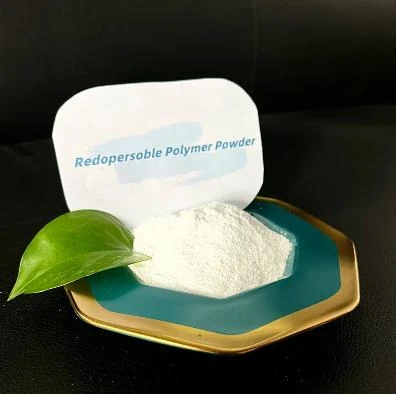
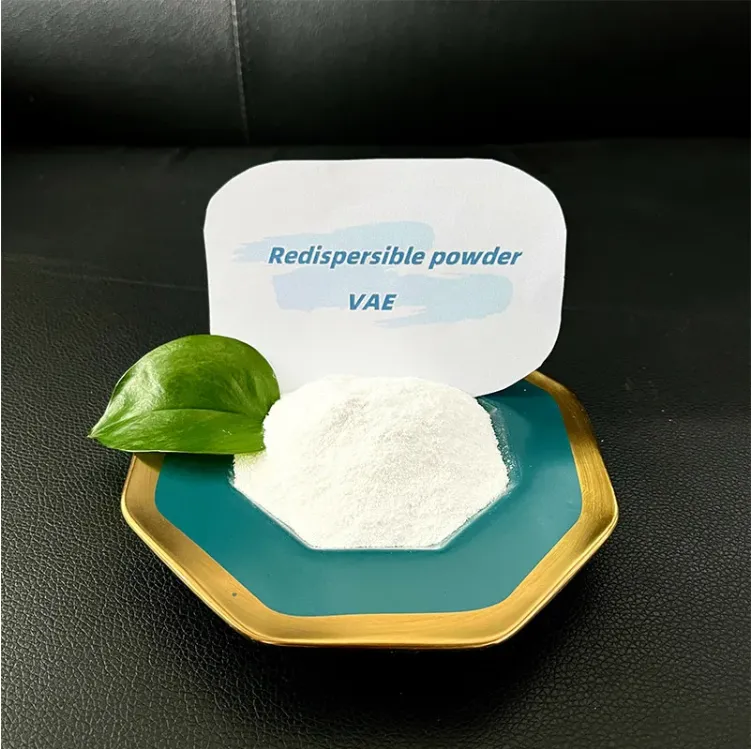

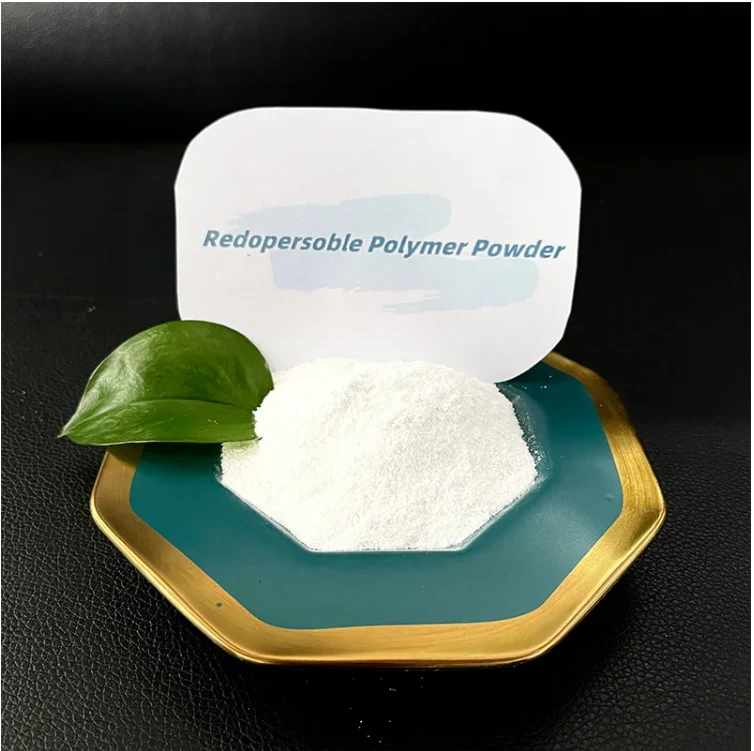


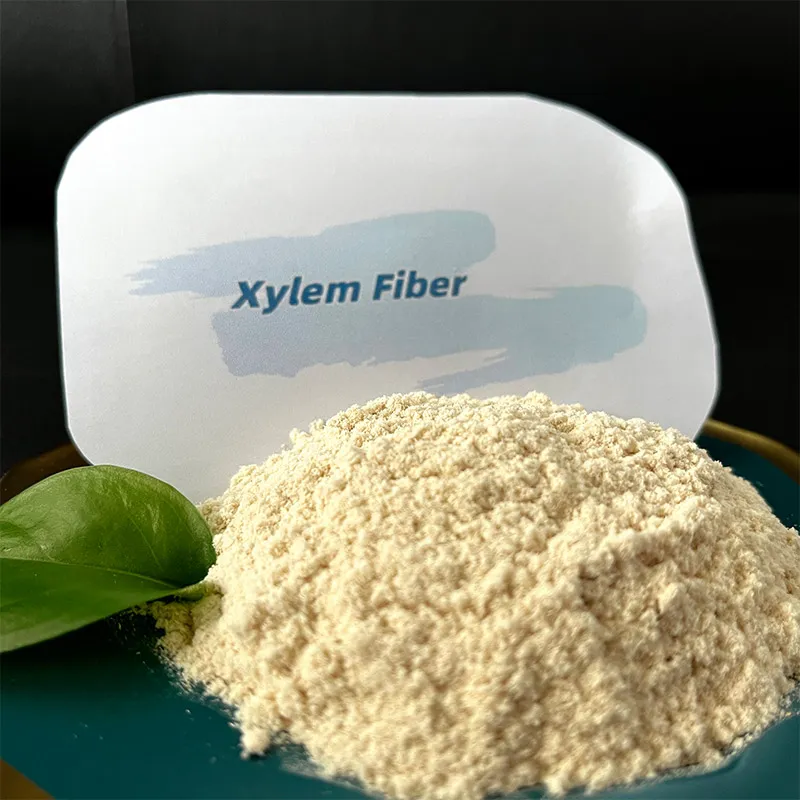
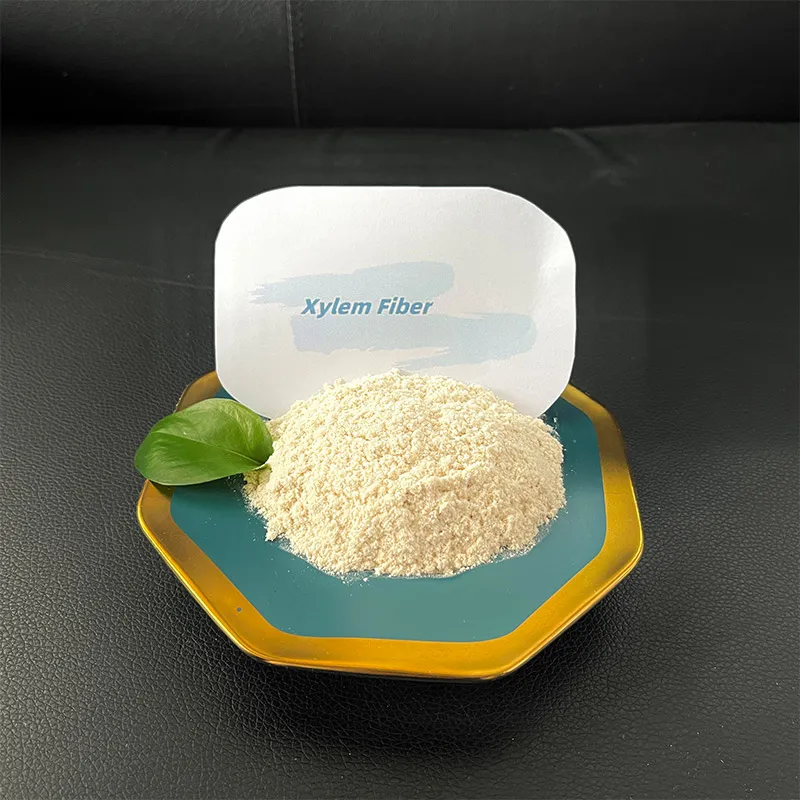
wood cellulose,xylem fiber,fibre made from wood pulp,cellulose extraction from wood,cellulose wood fibers is a key solution in the manufacturing industry, specifically within Paper and paper products industry and Pulp manufacturing. This article explores how HeBei ShengShi HongBang Cellulose Technology CO.,LTD. supports professionals with durable, high-performance products, and explains why this product is an ideal choice for businesses in these sectors. Table of Contents wood cellulose,xylem fiber,fibre made from wood pulp,cellulose extraction from wood,cellulose wood fibers Overview Benefits & Use Cases of wood cellulose,xylem fiber,fibre made from wood pulp,cellulose extraction from wood,cellulose wood fibers in Pulp manufacturing Cost, Maintenance & User Experience Sustainability & Market Trends in manufacturing Conclusion on wood cellulose,xylem fiber,fibre made from wood pulp,cellulose extraction from wood,cellulose wood fibers from HeBei ShengShi HongBang Cellulose Technology CO.,LTD. wood cellulose,xylem fiber,fibre made from wood pulp,cellulose extraction from wood,cellulose wood fibers Overview In pulp manufacturing, wood cellulose—often described as xylem fiber or cellulose wood fibers—forms the backbone of paper strength, formation, and runnability. As a fibre made from wood pulp, it is derived through controlled cellulose extraction from wood, typically via kraft or sulfite pulping, followed by mechanical refining, classification, and optional surface modification. The result is a clean, consistent fiber matrix engineered to optimize dry and wet strength, drainage, and filler retention across a wide range of grades. HeBei ShengShi HongBang Cellulose Technology CO.,LTD. supplies high-purity wood cellulose designed for industrial reliability and reproducibility. Typical technical parameters can include low ash content, neutral pH, controlled moisture, and tightly managed fiber length distribution to balance bonding with drainage. Many customers specify tailored properties—such as targeted freeness, fibrillation level, or brightness—to suit tissue, printing/writing, specialty, and packaging applications. For B2B decision makers, the relevance is clear: properly specified xylem fiber stabilizes wet-end chemistry, improves machine productivity, and reduces variability in downstream converting. Paired with application support from HeBei ShengShi HongBang Cellulose Technology CO.,LTD., mills can translate material performance into measurable operational gains and predictable product quality. Benefits & Use Cases of wood cellulose,xylem fiber,fibre made from wood pulp,cellulose extraction from wood,cellulose wood fibers in Pulp manufacturing Across pulp and paper operations, precision-engineered wood cellulose and xylem fiber deliver a portfolio of benefits. At the wet end, optimized fibrillation increases bonding potential, elevating tensile, SCT, and burst without excessive fines generation. These cellulose wood fibers also improve drainage and dewatering, supporting higher machine speeds and reduced steam demand in drying. In filled systems, they enhance filler retention and sheet formation, often enabling higher ash targets without compromising strength. Use cases include strength enhancement in recycled-fiber packaging, softness-to-strength balancing in tissue and towel, dimensional stability in printing/writing papers, and functional performance in specialty grades (from filtration papers to battery separators). When combined with starch, AKD/ASA, or synthetic latex systems, a fibre made from wood pulp can unlock synergistic strength and sizing performance. HeBei ShengShi HongBang Cellulose Technology CO.,LTD. brings process know-how that spans raw material selection, cellulose extraction from wood, and finishing operations that control fiber morphology. This expertise helps mills match fiber specifications to grade targets, seasonality, and furnish composition—minimizing trial time and accelerating ROI. Technical teams can advise on dosage windows, dispersion protocols, and compatibility with existing retention and wet-strength chemistries. Cost, Maintenance & User Experience Total cost of ownership for wood cellulose in pulp manufacturing hinges on more than price-per-ton. Mills evaluate the impact on chemical consumption, steam and power usage, machine runnability, and waste reduction. Consistent xylem fiber quality can reduce sheet breaks, stabilize basis weight, and increase first-pass retention—value drivers that translate into lower cost-per-ton of saleable paper. Operationally, modern cellulose wood fibers from HeBei ShengShi HongBang Cellulose Technology CO.,LTD. are engineered for easy handling. They are supplied in flow-friendly packaging with good dispersibility, reducing make-down time and minimizing equipment fouling. Customers in the Paper and paper products industry report smoother startups, predictable refiners’ energy profiles, and improved wet-end stability when switching to a fibre made from wood pulp with tighter spec control. From a user-experience standpoint, the combination of application support and reliable supply shortens trial cycles and limits unplanned downtime. The net effect is stronger, more uniform paper at equal or lower overall cost, plus the flexibility to pursue higher filler strategies or lighter basis weights—both proven pathways to enhanced ROI. Sustainability & Market Trends in manufacturing With demand growing for renewable, recyclable materials, wood cellulose is central to the industry’s decarbonization and circularity strategies. Derived from responsibly managed forests, xylem fiber aligns with market and regulatory expectations for bio-based content and improved end-of-life outcomes. As single-use plastics face increasing scrutiny, cellulose wood fibers enable new fiber-based packaging formats and barrier solutions without compromising performance. Regulatory momentum—from extended producer responsibility to evolving packaging directives—favors materials sourced through transparent cellulose extraction from wood. Mills increasingly seek suppliers who can support traceability, resource efficiency, and reduced environmental footprint. HeBei ShengShi HongBang Cellulose Technology CO.,LTD. invests in process improvements that target energy and water efficiency while prioritizing quality consistency. The company’s forward-thinking approach helps customers meet internal ESG targets and external compliance requirements. Market trends also point to premium growth in specialty papers, tissue, and lightweight packaging. By pairing application expertise with tailored fiber morphology, HeBei ShengShi HongBang Cellulose Technology CO.,LTD. helps producers innovate faster, reduce risk, and bring sustainable products to market at scale. Conclusion on wood cellulose,xylem fiber,fibre made from wood pulp,cellulose extraction from wood,cellulose wood fibers from HeBei ShengShi HongBang Cellulose Technology CO.,LTD. For pulp manufacturing leaders, wood cellulose—delivered as xylem fiber and other cellulose wood fibers—provides a proven route to higher strength, better runnability, and improved sustainability. With deep know-how in cellulose extraction from wood and precise control of fiber properties, HeBei ShengShi HongBang Cellulose Technology CO.,LTD. is a dependable partner for performance and value. Explore how a fibre made from wood pulp can unlock your next efficiency gain or product innovation. Contact us: email: 13180486930@163.com Visit our website: https://www.sshbhpmc.com
- 40000tons

Production
- 20+years

Experience
- 5000+㎡

Acreage

-
Understanding the distinctions between HPMC K and E series is critical for various industries, such as pharmaceuticals, food, and construction, where these compounds play pivotal roles. Hydroxypropyl methylcellulose (HPMC) is a versatile material with broad applications due to its unique properties. Both K and E series differ primarily in their methoxy and hydroxypropyl content, impacting their solubility, viscosity, and gelation properties, which ultimately influence their suitability for specific applications. The K series of HPMC is characterized by higher methoxy content compared to the E series. This feature significantly affects its water solubility, gelling temperature, and viscosity. Due to its distinct solubility profile, the K series is often favored in applications requiring rapid dissolution in cold water, making it particularly useful in pharmaceutical industries for sustained-release formulations. For instance, in oral drug delivery systems, the release rate of active ingredients can be meticulously controlled using K series HPMC, providing consistent therapeutic effects. Its higher gelation temperature is suitable for formulations that require stability at higher temperatures, reducing the risk of premature gelation during processes such as granulation and tableting. Conversely, the E series contains a higher proportion of hydroxypropyl groups, influencing its viscosity and thermal gelation properties. This series is known for forming viscous solutions at lower concentrations, which is advantageous in applications where higher viscosity is needed without adding excess material. Its lower gelling temperature and increased swellability make it ideal for use in environments that require quick formation of a gel-like texture, such as in food products. The E series can enhance the texture and thickness of sauces and dressings, providing a desirable mouthfeel and stability over extended shelf-life periods. difference between hpmc k and e series In the construction industry, the adhesive and film-forming properties of both HPMC K and E series are exploited in applications like tile adhesives and cement renders. The K series, with its rapid solubility, is often utilized in formulations that require quicker setting times. It improves workability and open time, ensuring that construction professionals have enough time to adjust and position materials accurately, while still benefiting from strong adhesion once cured. The E series, due to its ability to form thick gels, is valuable in applications demanding high water retention and resistance to sagging during drying. Professionals across diverse industries must recognize that the selection between HPMC K and E series should be guided by specific application requirements such as solubility, viscosity, gelling temperature, and regulatory compliance. Understanding these properties and their implications for product performance can lead to optimized formulations that meet stringent industry standards and consumer expectations. Engaging with experienced suppliers who can provide detailed technical specifications and support is essential for making informed decisions . Furthermore, pilot testing and in-situ evaluations remain prudent practices to validate the suitability of HPMC grade selections under real-world conditions, ensuring that the final product delivers reliable performance. The nuances between HPMC K and E series underscore the importance of meticulous selection in achieving desired outcomes across varied applications. As industries continue to innovate, the adaptability and distinct characteristics of HPMC will likely contribute to novel uses, expanding its functional potential and reinforcing its integral role in modern material science.
-
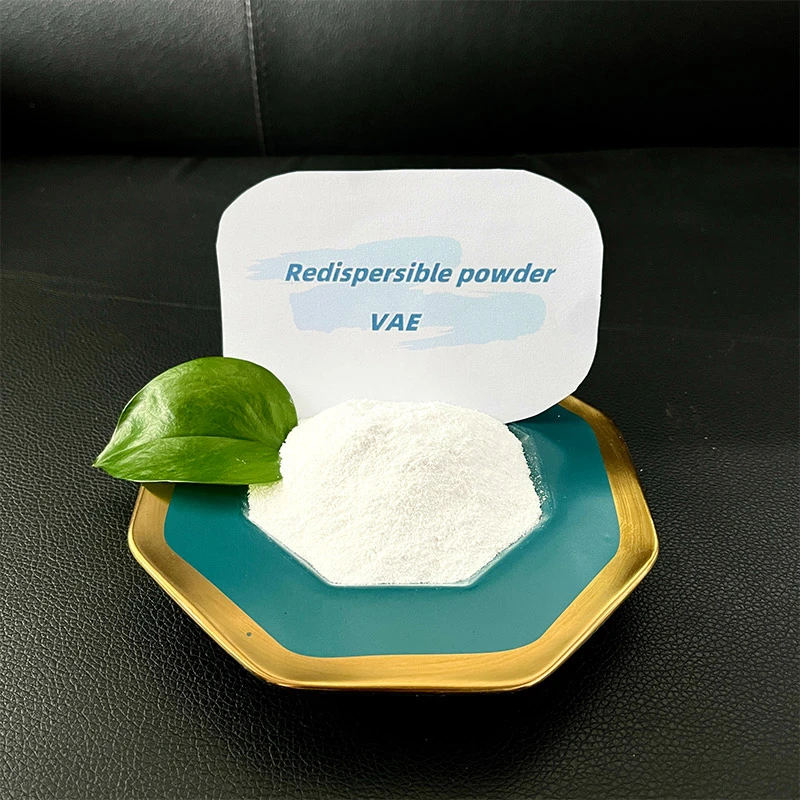
The Role of Polypropylene in Screed Applications Screed is an essential material in the construction industry, primarily used to create a smooth, level surface on floors before the application of final floor finishes. Among the various additives and components that can enhance screed performance, polypropylene has gained significant attention. This article delves into the role of polypropylene in screed applications, highlighting its benefits and considerations. What is Polypropylene? Polypropylene is a thermoplastic polymer that is widely used in various applications due to its excellent chemical resistance, durability, and versatility. As an additive in screed formulations, polypropylene fibers improve several mechanical properties of the material, addressing some common challenges faced in flooring applications. Benefits of Polypropylene in Screed 1. Crack Resistance One of the primary advantages of incorporating polypropylene fibers into screed is the enhancement of fracture resistance. As the screed dries and cures, it is prone to cracking due to shrinkage stresses. Polypropylene fibers help to distribute these stresses more evenly throughout the material, reducing the likelihood of cracks forming. 2. Improved Tensile Strength Polypropylene fibers also contribute to increased tensile strength in the screed mix. This is particularly crucial in high-traffic areas where the floor is subject to additional stresses. The addition of polypropylene not only improves the screed's performance but also extends its lifespan. 3. Enhanced Workability Polypropylene-fortified screed mixtures exhibit improved workability, making them easier to pour and spread. This can lead to more efficient installation processes and better surface finishes. Workers can achieve a smoother application, which is vital for aesthetic and functional floor appearances. 4. Resistance to Delamination Delamination is a common issue in flooring installations where layers of the screed separate from one another. The use of polypropylene helps combat this problem by enhancing the bond between layers, thus maintaining the integrity of the flooring system. nyuzi za polypropen kwa screed 5. Fire Resistance While traditional cement-based screeds can be susceptible to fire damage, polypropylene fibers add a level of fire resistance. Although not fireproof, they can help reduce the risk of damage in case of fire, providing an added layer of safety in specific applications. Considerations When Using Polypropylene in Screed Despite its many advantages, there are some considerations to keep in mind when using polypropylene in screed applications - Dosage The amount of polypropylene added to the screed mix must be carefully calculated. Too much can lead to a decrease in workability and increased water demand, while too little may not provide the desired benefits. - Compatibility with Other Materials It is essential to ensure that the polypropylene used is compatible with other components of the screed mix and does not adversely affect the setting and curing processes. - Environmental Impact While polypropylene is generally considered safe, concerns about its environmental impact and recyclability should be taken into account, particularly in terms of sustainability practices within the building industry. Conclusion Incorporating polypropylene into screed formulations presents a myriad of benefits that can significantly enhance the performance and durability of flooring systems. From improved crack resistance and tensile strength to better workability and fire resistance, polypropylene offers a robust solution to some of the most common challenges in flooring. However, careful consideration of dosage, compatibility, and environmental impact is crucial. With proper application, polypropylene can play a pivotal role in achieving high-quality flooring solutions that stand the test of time. As the construction industry continues to evolve, the integration of advanced materials like polypropylene will undoubtedly contribute to more resilient and sustainable building practices.
advantages
-

200000 Viscosities
Excellent product
We can produce pure products up to 200,000 viscosities
-

40000 tons
High yield
We don’t stop production all year round, and the annual output can reach 40,000 tons
-

24 hours
Quality service
We provide 24-hours online reception service, welcome to consult at any time
———— Inquiry Form
Schedule A services
-
 produsen_hpmc-hidroksipropil_metil_selulosa_cina
Oct . 25, 2025
Utilizing Hydroxypropyl Methylcellulose (HPMC) in Skim Coats Expert Insights Hydroxypropyl Methylcel -
 eter_de_almidon_para_la_construccion
Oct . 25, 2025
Hydroxypropyl starch phosphate is rapidly gaining traction as a prominent ingredient in the food , p -
 jenis_pati_yang_dimodifikasi
Oct . 25, 2025
Hydroxypropyl Methylcellulose (HPMC) has emerged as a versatile and essential ingredient in the food


